Should You Eat Before Exercise?
The honest answer is: it depends. Here's how I approach it and what actually works.
This is one of the most common questions I get. And the answer genuinely isn't the same for everyone. It depends on when you train, what your goals are, and how your body responds to eating before exercise.
For some people, eating before a workout provides the fuel and energy they need to perform well. A balanced meal or snack beforehand can maintain blood sugar levels, prevent dizziness, and noticeably improve performance. This matters most for longer, more intense sessions or endurance training.
For others, training on an empty stomach works just fine. Fasted training has become popular, particularly for fat loss, with the theory being that exercising without available glucose encourages the body to draw on fat stores for energy. The research on this is still mixed, and in my experience the difference is modest compared to overall daily nutrition. But some people genuinely feel and perform better training fasted.
My approach depends entirely on when I'm training. I prefer to work out mid-morning on an empty stomach, making sure I've had plenty of complex carbohydrates the evening before. If I'm training in the afternoon, I'll have a light breakfast with a mix of carbohydrates, some protein, and a small amount of fat. The key is experimenting and paying attention to how your body responds.
What to eat before exercise
If you do choose to eat before training, focus on foods that provide a good balance of carbohydrates, protein, and a small amount of healthy fat. Here are the options I rely on. Most of them also work well as post-workout snacks or meals. Just add extra protein.
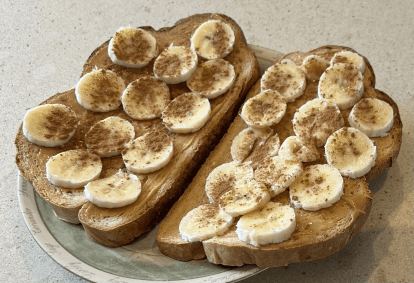
Sourdough or whole grain toast with nut butter and banana
Two slices of sourdough or whole grain bread with nut butter and sliced banana, finished with a sprinkle of cinnamon. This combination gives you carbohydrates for energy and healthy fat and protein for sustained fuel. Simple and genuinely delicious.
To turn this into a post-workout option, add a protein shake on the side.
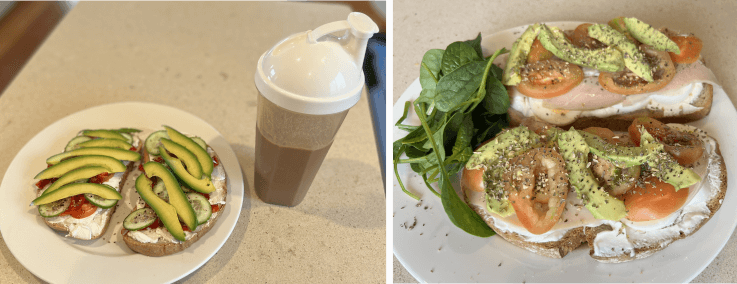
Sourdough toast with egg, cottage cheese, tomato and avocado
Another one of my go-to pre-workout meals. The egg and cottage cheese add solid protein on top of the carbohydrates from the bread, and the tomato and avocado round it out with micronutrients and healthy fat. To boost this into a post-workout meal, add sliced turkey breast and a protein shake.
Greek yoghurt with berries
Greek yoghurt is high in protein and the berries provide antioxidants and easily digestible carbohydrates. Quick to prepare and genuinely satisfying. For extra protein, mix a scoop of protein powder through the yoghurt before adding the fruit.
Porridge or oatmeal with protein powder
Oats are one of the best complex carbohydrate sources available. Slow-digesting, filling, and great for sustained energy during a session. Adding protein powder gives you the protein to support muscle recovery as well.
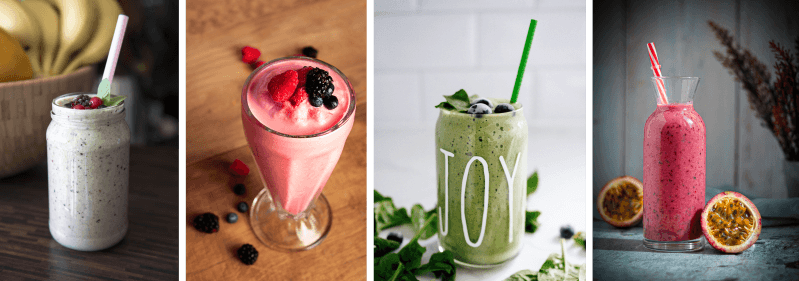
Smoothie with fruit, vegetables and protein
Blend together fruit, a handful of leafy greens, and a scoop of protein powder for a nutrient-packed pre-workout drink. Easy to digest and quick to prepare. Great for people who don't feel like eating solid food before training.
Chicken, turkey or smoked salmon wrap
A wrap with your choice of lean protein and a mix of vegetables. Good balance of lean protein and complex carbohydrates for sustained energy through a longer or more intense session.
Quinoa salad with vegetables and grilled chicken or smoked salmon
Quinoa is a complete protein as well as a complex carbohydrate source, which makes it unusually versatile. Paired with vegetables and a lean protein, it makes a genuinely satisfying pre-workout meal. Not a quinoa fan? Swap it for legumes or keep it simple with a basic salad and grilled chicken.
How long before exercise should you eat?
Timing matters. Eating too close to a session can cause discomfort, bloating, or cramping. Here's the general guide I follow:
Small snack: 30 to 60 minutes before
A piece of fruit, a handful of nuts, or a small serve of yoghurt. Easily digestible and provides a quick energy boost without sitting heavily in the stomach.
Light meal: 1 to 2 hours before
A smoothie, a small sandwich on whole grain bread, or a bowl of oats. Enough time to digest and convert to available energy before you start moving.
Larger meal: 2 to 3 hours before
A chicken and vegetable stir-fry, a quinoa salad, or a plate of whole grain pasta with a lean protein. Enough time for proper digestion and minimal risk of discomfort during the session.
These are general guidelines and individual preferences vary. Some people are fine eating closer to a session, others need more time. Pay attention to your own body. And if you're unsure what timing and food choices suit your specific goals, working with a nutrition coach can help you dial it in.
Back to Workout Nutrition Guide
Health should feel like your best life, not a break from it.
Marco ☕
About Me

I'm Marco Asnicar, personal trainer, nutrition coach and founder of Vitality Marco. I didn't discover the Mediterranean method. I grew up living it, shaped by Italian roots, real food and movement as a natural part of daily life. It took me until recently to realise that what always felt completely normal to me is exactly what most people spend years searching for.
I coach men and women aged 35 to 55 to do the same. No restriction. No fads. No giving up the life you love. Just a way of eating and living that genuinely feels good and gets better every year.
Want to know more about my story and approach? Read my full About Me page.