Protein for Weight Loss: Why It Makes Such a Difference
If there's one nutritional lever that makes fat loss easier, protein is it.
Over the last few decades, the importance of protein for weight loss has become very well established. And from personal experience coaching people, it's the nutritional change that makes the biggest difference when someone is trying to lose body fat while holding onto muscle.
Getting adequate protein every day is essential for a healthy, sustainable fat loss program. It's not about eating enormous quantities of meat or chugging protein shakes. It's about making sure protein is a consistent part of every meal.
How much protein do you need?
For a generally healthy, sedentary adult, about 0.8 grams of protein per kilogram of body weight covers the basics. But your needs go up significantly in a few situations:
- You're trying to lose weight, because protein helps preserve the lean muscle that keeps your metabolism running well.
- You train regularly or have a physically demanding job.
- You're recovering from an illness or injury.
For active people with a fat loss goal, I'd aim for at least 1.2 to 1.6 grams per kilogram of lean body weight. More on how to calculate that on the daily protein intake page.
Daily protein intake: How to calculate your target
Why protein is so effective for fat loss
It keeps you fuller for longer
Protein digests more slowly than carbohydrates or fats, which means it keeps you feeling satisfied for longer after a meal. This naturally reduces cravings and helps you avoid overeating without having to rely on willpower.
It boosts your metabolism
Protein has a higher thermic effect of food (TEF) than any other macronutrient. In simple terms, your body burns more calories digesting and absorbing protein than it does digesting carbohydrates or fat. Increasing your protein intake slightly raises your resting metabolic rate.
It protects your muscle mass
When you're in a calorie deficit for weight loss, your body can break down muscle for energy if protein intake is too low. Adequate protein prevents this. It preserves the lean muscle tissue that burns calories at rest and gives your body its shape. Muscle is metabolically expensive to maintain, and you want to keep it.
It reduces muscle loss during calorie restriction
This is one of the most important points for anyone on a fat loss program. Low-calorie diets without adequate protein often result in losing muscle alongside fat, which leaves people looking and feeling worse and slows their metabolism long-term. Protein prevents that from happening.
It has fewer calories per gram than fat
Protein contains 4 calories per gram. Fat contains 9. Swapping some fat-heavy foods for protein-rich ones is an easy way to reduce overall calorie intake without feeling deprived.
Best protein sources for weight loss
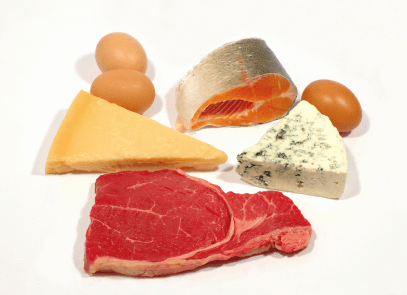
Eggs
Eggs are one of the most nutritious foods on the planet. They're a complete protein source, loaded with vitamins and minerals, and incredibly versatile. I eat eggs almost every day.
Lean poultry
Chicken and turkey are excellent lean protein sources. Choose organic, free-range wherever you can. They're low in fat, high in protein, and easy to prepare in a hundred different ways.
Seafood
All types of fish and seafood are fantastic for weight loss: high in protein, rich in omega-3 fats, and relatively low in calories. Salmon, tuna, sardines, prawns, and mussels are regulars in my kitchen.
Dairy products
Greek yoghurt, cottage cheese, and milk are all solid protein sources. Greek yoghurt in particular is high in protein and makes a great snack or breakfast base. Choose organic or biodynamic dairy where possible.
Legumes and plant proteins
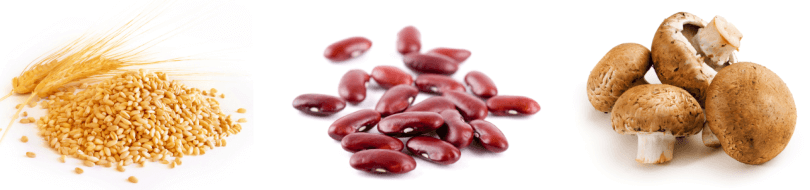
Beans, lentils, chickpeas, tofu, tempeh, and edamame are all excellent plant-based protein sources. They also come with fibre, which further supports appetite control. The combination of protein and fibre in legumes makes them one of the best foods for fat loss. Full stop.
Nuts
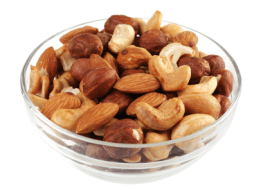
Nuts are a good protein source and a great snack between meals. They're calorie-dense, so a small handful is enough. But that handful is satisfying in a way that a handful of crackers never will be, because the protein and fat combination genuinely keeps hunger at bay.
For more information on protein for weight loss, click to view an article from Precision Nutrition - ‘How much protein should I eat?’ Choose the right amount for fat loss, muscle, and health.
Health should feel like your best life, not a break from it.
Marco ☕
About Me

I'm Marco Asnicar, personal trainer, nutrition coach and founder of Vitality Marco. I didn't discover the Mediterranean method. I grew up living it, shaped by Italian roots, real food and movement as a natural part of daily life. It took me until recently to realise that what always felt completely normal to me is exactly what most people spend years searching for.
I coach men and women aged 35 to 55 to do the same. No restriction. No fads. No giving up the life you love. Just a way of eating and living that genuinely feels good and gets better every year.
Want to know more about my story and approach? Read my full About Me page.