Daily Protein Intake: How Much Do You Actually Need?
Get this one right and almost everything else about your body composition gets easier.
Your daily protein intake plays a vital role in whether you want to lose body fat, build muscle, or simply stay healthy and feel strong. It's probably the single most important macronutrient variable to get right.
The good news is that hitting your protein target isn't complicated, provided you eat a variety of protein-containing foods at each meal. It doesn't require obsessive tracking or an endless supply of protein shakes.
Understanding protein: The basics
Proteins are made up of building blocks called amino acids. Some amino acids are non-essential, meaning the body can produce them. Others are essential, meaning you must get them from food or supplements because your body cannot make them.
The gold standard for measuring protein quality is the Protein Digestibility Corrected Amino Acid Score (PDCAAS), which reflects how well the body can absorb and utilise a protein. The highest possible score is 1.0.
To give you a sense of the range: eggs, cow's milk, whey protein, and soy protein all score 1.0. Beef, chicken, and fish score 0.90 and above. Peas score 0.73. Rice scores 0.47. Plant proteins generally score lower than animal proteins, which is why variety matters if you eat primarily plant-based.
Animal protein sources
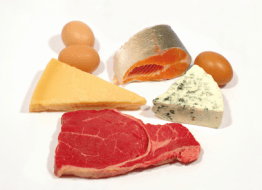
Animal foods like eggs, poultry, fish, seafood, and dairy are complete protein sources. They contain all the essential amino acids your body needs and are also rich in minerals like zinc and iron.
I eat fish, chicken, and eggs as my primary animal protein sources. I don't eat red meat. When choosing animal proteins, I always go for the best quality I can access: pastured eggs, wild-caught or sustainably sourced fish, free-range chicken.
Plant protein sources
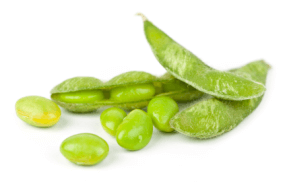
You can absolutely meet your protein needs from plant foods alone, provided you eat a good variety. When combined, plant proteins complement each other's amino acid profiles to create a complete protein source.
Soy is a complete protein and contains all the essential amino acids. If possible, choose organic, non-GMO soy foods or fermented forms like tempeh. Quinoa is another excellent plant protein and also rich in calcium, phosphorus, and iron. It works well as a rice substitute.
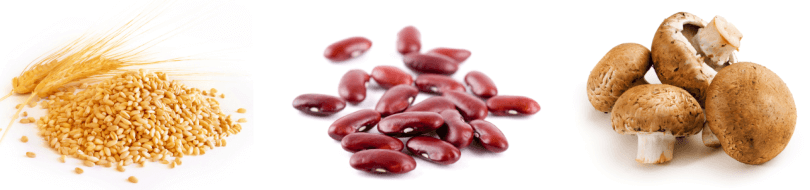
A good variety of whole grains, legumes, nuts, and vegetables eaten throughout the day will naturally get you to a complete amino acid profile.
How to calculate your daily protein intake
For sedentary, generally healthy adults, about 0.8 grams per kilogram of body weight covers basic daily requirements. For a 70 kg person, that's roughly 56 grams per day.
If you exercise regularly, train with intensity, or have a weight loss or muscle-building goal, you'll likely need more. The American College of Sports Medicine, Academy of Nutrition and Dietetics, and International Society of Sports Nutrition recommend 1.2 to 2.0 grams per kg of body weight for active individuals.
When I calculate protein for someone with a fat loss or muscle-building goal, I use lean body weight (LBW) rather than total body weight. LBW is total body weight minus body fat. For example, an 80 kg person with 20% body fat has an LBW of 64 kg. At 1.5 grams per kg LBW, their target would be around 96 grams of protein per day.
I personally aim for 1.2 to 1.6 grams per kilogram of LBW given my training volume. That's the sweet spot for me for muscle retention and body composition.
Tips for hitting your daily protein intake
Eat protein at every meal
Spreading protein across the day is more effective than eating it all in one sitting. This supports muscle protein synthesis throughout the day and makes it easier to hit your target without one enormous protein-heavy meal. If your daily target is 90 grams and you eat three meals, aim for around 30 grams per meal.
Choose quality animal sources
Wherever possible, choose organic, grass-fed, or free-range animal products to avoid growth hormones and antibiotics. Pastured eggs, wild-caught salmon, sardines, and free-range chicken are some of my regulars.
Include fish and seafood regularly
Fish is an excellent protein source and also provides quality omega-3 fats. Salmon, tuna, trout, and sardines are among the best options. I aim to eat fish several times a week.
Include plant-based protein sources
Legumes (beans, lentils, chickpeas), tofu, tempeh, quinoa, edamame, and seeds are all solid plant-based protein sources. I eat legumes almost every day, usually in a pasta dish, a salad, or a vegetable soup.
Use dairy if it works for you
If you're not lactose intolerant, dairy is a genuinely good protein source. Greek yoghurt, cottage cheese, and milk are all excellent. I eat Greek yoghurt daily. Choose organic or biodynamic dairy where possible.
Include protein-rich snacks
Greek yoghurt, a hard-boiled egg, a small handful of nuts, or some cottage cheese are all solid snacks that add meaningfully to your daily protein total.
Consider a protein supplement when needed
If you're struggling to hit your protein target through whole foods alone, a quality protein supplement can help. I use a pea protein supplement from The Healthy Chef. But whole foods always come first.
For more information on protein powders, click to view an article from Precision Nutrition: All about protein powders.
For more information on protein, click to view an article from Precision Nutrition - ‘How much protein should I eat?’ Choose the right amount for fat loss, muscle, and health.
Health should feel like your best life, not a break from it.
Marco ☕
About Me

I'm Marco Asnicar, personal trainer, nutrition coach and founder of Vitality Marco. I didn't discover the Mediterranean method. I grew up living it, shaped by Italian roots, real food and movement as a natural part of daily life. It took me until recently to realise that what always felt completely normal to me is exactly what most people spend years searching for.
I coach men and women aged 35 to 55 to do the same. No restriction. No fads. No giving up the life you love. Just a way of eating and living that genuinely feels good and gets better every year.
Want to know more about my story and approach? Read my full About Me page.