Mediterranean Diet for Specific Dietary Needs
How to Make the Mediterranean Diet Work for Your Specific Dietary Needs
One of the things I love most about the Mediterranean diet is its flexibility. It's not a rigid protocol that breaks down the moment you have a food sensitivity or a specific health requirement. It's a framework built on real, whole foods that adapts beautifully to almost any dietary need.
I don't have any food sensitivities myself. But I've experimented extensively with alternatives out of curiosity, and I've coached enough people to know what works well across a range of dietary requirements. Here's what I've found.
Gluten-free Mediterranean eating
Living gluten-free doesn't mean giving up the foods you love. The Mediterranean diet is naturally rich in gluten-free whole foods. Vegetables, legumes, fish, poultry, eggs, nuts, seeds, rice, quinoa, buckwheat and potatoes are all foundational Mediterranean foods that contain no gluten at all.
For bread, gluten-free whole grain options made from rice flour, almond flour or a blend of alternatives have improved enormously in quality over recent years. My wife and I have experimented with pancakes and baked goods using oat, coconut, hazelnut, buckwheat and cassava flour with genuinely good results.
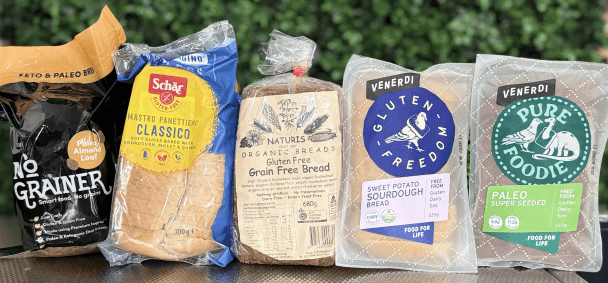
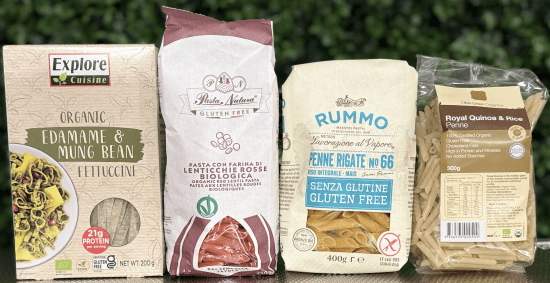
For pasta, gluten-free versions made from corn, legumes or quinoa cook well and pair beautifully with Mediterranean sauces. The texture is different from wheat pasta but it's not a compromise. It's just different.
Rice, quinoa and buckwheat replace couscous or traditional grain sides effortlessly. The Mediterranean diet requires no dramatic adjustment for someone eating gluten-free. Most of the best parts of it are already naturally gluten-free.
Lactose-free Mediterranean eating
Dairy plays a moderate role in the traditional Mediterranean diet. Yoghurt, some cheese, occasionally milk. If you're lactose intolerant, none of that is essential and all of it has workable alternatives.
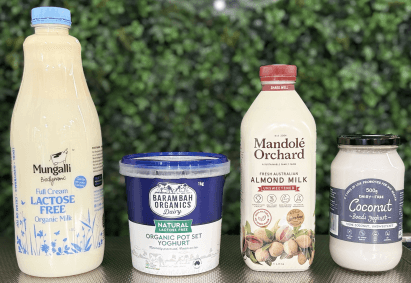
Lactose-free dairy products, regular milk, yoghurt and cheese with the lactose removed or broken down, are widely available and taste essentially identical to their regular counterparts. For those who prefer to avoid dairy entirely, plant-based alternatives from almond, oat, cashew, soy, macadamia or coconut work well in most applications.
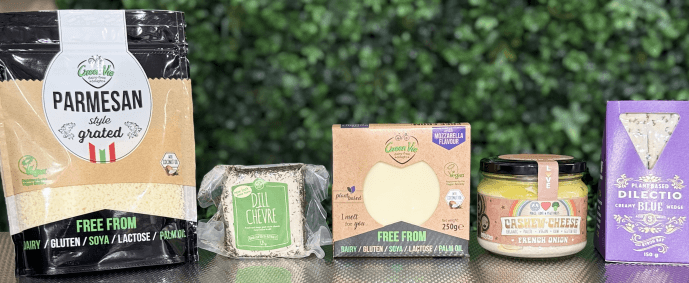
I've tried cashew cheese out of curiosity and was genuinely surprised by how similar it is to regular cheese in flavour. For cooking purposes, olive oil and avocado replace the richness of creamy sauces and cheeses without sacrificing satisfaction.
Low-carb Mediterranean eating
The Mediterranean diet is not inherently a low-carb diet. My own approach is actually high-carb. But if you're looking to reduce carbohydrates for health reasons, the framework adapts well.
Prioritise non-starchy vegetables as your base. Zucchini, cauliflower, broccoli, spinach, capsicum and leafy greens are all naturally very low in carbohydrates and extremely high in nutrients. These can replace grains and legumes as your plate-filler.
Lean proteins like fish, chicken, turkey, tofu and eggs become more central. Healthy fats from olive oil, avocado, nuts and seeds take on more of the energy-providing role. Legumes can still feature but in smaller quantities, balanced against your overall carbohydrate targets.
Spiralised vegetables in place of pasta, cauliflower rice in place of regular rice, and lettuce wraps in place of bread are all genuinely satisfying when prepared with good Mediterranean flavours. The method loses none of its pleasure at lower carbohydrate levels.
High-carb Mediterranean eating
This is my personal preference and the approach I've followed for over 35 years. Complex carbohydrates from whole grains, legumes, starchy vegetables and fruit form the majority of my daily energy intake and I genuinely love eating this way.
Whole grains like brown rice, whole wheat pasta, oats, rye and quinoa. Legumes including chickpeas, butter beans, cannellini beans and lentils. Potatoes and sweet potatoes, which are among the most satiating foods available. Seasonal fruit for natural sweetness and micronutrients.
I've found this approach delivers consistent energy, excellent satiety and effortless weight management. The key is that the carbohydrates come from whole, minimally processed sources rather than refined grains and added sugars. That distinction makes all the difference.
For a full exploration of the high-carb Mediterranean approach, read my dedicated page on the high carb Mediterranean diet.
The bottom line
The Mediterranean diet is one of the most adaptable eating frameworks available. Gluten-free, lactose-free, low-carb or high-carb. It accommodates your needs without sacrificing the core pleasure of eating well. That flexibility is part of why it has sustained entire populations for generations and why it's the only approach I've ever needed.
If you'd like help applying these principles to your specific situation, get a free personalised nutrition plan from the homepage.
Health should feel like your best life, not a break from it.
Marco ☕
About Me

I'm Marco Asnicar, personal trainer, nutrition coach and founder of Vitality Marco. I didn't discover the Mediterranean method. I grew up living it, shaped by Italian roots, real food and movement as a natural part of daily life. It took me until recently to realise that what always felt completely normal to me is exactly what most people spend years searching for.
I coach men and women aged 35 to 55 to do the same. No restriction. No fads. No giving up the life you love. Just a way of eating and living that genuinely feels good and gets better every year.
Want to know more about my story and approach? Read my full About Me page.