The High Carb Mediterranean Diet
Revitalise Your Health and Palate with the Surprising Benefits of a High Carb Mediterranean Diet
My favourite way to eat? The high carb Mediterranean diet.
While many people associate the Mediterranean diet with moderate protein and healthy fats, the high carb version often gets overlooked. That surprises me, because it's the approach that most closely matches how people have actually eaten in Mediterranean cultures for centuries. Pasta, bread, rice, legumes, potatoes. These are the foundations of Italian, Greek and Spanish kitchens. These are the foods I grew up eating. 😋
I've been following a high carb Mediterranean approach for over 35 years. I'm leaner now in my 50s than I was at 30. My energy is excellent. I maintain a lean body year-round without counting calories or giving up the foods I love. Here's exactly what this way of eating looks like and why I think it might work brilliantly for you too.
What does the high carb Mediterranean diet actually look like?
The high carb Mediterranean diet emphasises complex carbohydrates while keeping all the principles of traditional Mediterranean eating intact. Here's what that means in practice.
Whole grains at the centre
Brown rice, whole wheat pasta, rye, oats and quinoa form the base of most of my meals. These provide slow-releasing energy that keeps blood sugar stable and appetite in check for hours. I can savour a bowl of whole grain pasta tossed with fresh vegetables, aromatic herbs and rich tomato passata and feel completely satisfied. That's not a compromise meal. That's one of my favourites.
Legumes as protein and fibre
Chickpeas, butter beans, black beans, lentils, cannellini beans and mixed beans are among my most eaten foods. They're high in complex carbohydrates, rich in plant-based protein and fibre, deeply satisfying and genuinely versatile. A mixed bean salad at the start of the week sets me up with protein-rich, fibre-dense food that I can add to any meal throughout the week.
Seasonal fruit generously
Fruit provides natural sugars, vitamins, antioxidants and fibre. I eat fruit every day and don't limit it. Berries, bananas, citrus, stone fruits, apples, figs, all seasonally available and all genuinely enjoyable. The fibre in whole fruit means the natural sugars are absorbed slowly, very differently from fruit juice.
Potatoes and sweet potatoes
These are among the most satiating foods available and I eat them regularly. Baked, roasted with olive oil and herbs, boiled or mashed. White and sweet potatoes are complex carbohydrate sources that fill you up, fuel your training and keep your digestive system happy. The idea that potatoes cause weight gain is one of the most persistent nutritional myths I know of.
Moderate protein alongside
Fish, chicken, eggs and legumes provide the protein alongside all those carbohydrates. I don't eat red meat. I don't need enormous quantities of protein. Enough to support muscle maintenance and recovery, distributed across two to three meals a day.
Healthy fats in supporting roles
Olive oil, avocado, nuts and seeds are present in every day of my eating but they're not the headline. They complement the carbohydrate-centred meals rather than dominating them.
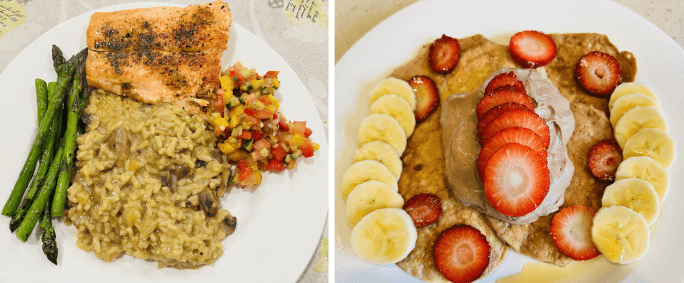
Why the high carb Mediterranean diet works for me
Sustained energy all day
Complex carbohydrates from whole grains and legumes release energy slowly and steadily. I've never experienced an afternoon energy crash. I average over 14,000 steps a day, train three to four times a week and maintain high mental energy throughout. The fuel source matters and complex carbohydrates are an excellent one.
Weight management without effort
The fibre content in a high carb Mediterranean diet is genuinely remarkable. Whole grains, legumes, vegetables and fruit collectively deliver an enormous amount of fibre that keeps you full, slows digestion and prevents the kind of blood sugar spikes and crashes that drive overeating. I've maintained a lean body for over 30 years without ever consciously restricting calories.
Heart health
The soluble fibre in legumes and whole grains actively lowers LDL cholesterol. Combined with the anti-inflammatory omega-3 fatty acids from fish and the polyphenols from olive oil and vegetables, the high carb Mediterranean diet supports cardiovascular health from multiple directions simultaneously.
Gut health and digestion
The diversity and volume of fibre in this way of eating is excellent for digestive health. Different types of fibre feed different beneficial bacteria in the gut. The result is regular, comfortable digestion and a genuinely thriving gut microbiome. I've never had digestive issues and I attribute much of that to the fibre diversity in my diet.
Mental wellbeing
Complex carbohydrates support serotonin production. Whole grains and legumes contain B vitamins that support neurological function. The Mediterranean diet's connection to reduced rates of depression is well documented in the research. My personal experience is consistent with that. I've always been an optimistic, energetic person and I genuinely believe my diet contributes to that.
A typical high carb Mediterranean day for me
Morning: Water first thing, then coffee. I don’t usually eat breakfast and just snack on fruit throughout the morning and have another coffee. I usually train before my first meal.
Morning: Water first thing, then coffee. I usually don’t eat breakfast. I snack on fruit through the morning, and have another coffee. I typically train before my first meal.
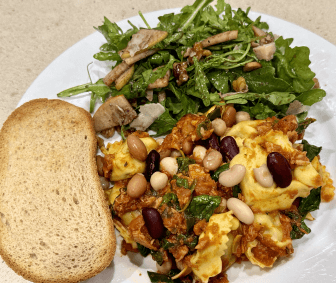
First meal around 2 to 4pm: Brown rice or potatoes with vegetables and a protein source. Often a mixed bean salad with added fish or chicken. Otherwise, I’ll have boiled or scrambled eggs with veggies, plus and sourdough toast with cottage cheese and avocado.
Dinner around 6 or 7pm: Grilled chicken or fish with garlic roasted potatoes and a generous serve of vegetables, or whole grain pasta with tomato passata, vegetables and occasionally cheese.
Always dessert after dinner. Always. Such as:
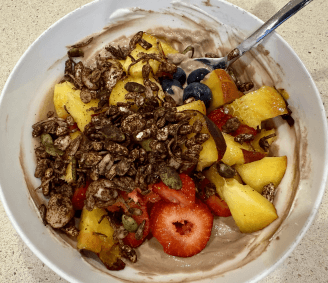
- Yoghurt with protein powder, homemade granola and fruit.
- Sourdough toast with nut butter and sliced banana on top.
- Bowl of seasonal fruit.
- And occasionally, homemade cake, gelato or a pastry.
Is the high carb Mediterranean diet right for you?
If you enjoy carbohydrates, eat them without guilt when they come from whole food sources, and want a sustainable approach to weight management and energy that doesn't require you to give up pasta or bread, this approach is worth exploring seriously.
It's not for everyone. Some people genuinely feel better on lower carbohydrates, and the Mediterranean diet adapts to that too. But for me, the high carb Mediterranean approach delivers everything you're looking for without any of the restriction that makes dieting miserable.
For a full look at how the Mediterranean diet adapts to different dietary needs including low-carb approaches, read my Mediterranean diet for specific dietary needs page.
Health should feel like your best life, not a break from it.
Marco ☕
About Me

I'm Marco Asnicar, personal trainer, nutrition coach and founder of Vitality Marco. I didn't discover the Mediterranean method. I grew up living it, shaped by Italian roots, real food and movement as a natural part of daily life. It took me until recently to realise that what always felt completely normal to me is exactly what most people spend years searching for.
I coach men and women aged 35 to 55 to do the same. No restriction. No fads. No giving up the life you love. Just a way of eating and living that genuinely feels good and gets better every year.
Want to know more about my story and approach? Read my full About Me page.