Phytonutrients: The Hidden Power of Plant Foods
The colour on your plate isn't just beautiful. It's doing something remarkable inside your body.
Phytonutrients, also called phytochemicals or plant nutrients, are naturally occurring substances found in plants. They help protect the plant itself from UV rays, disease, and fungus. They essentially form the plant's immune system.
What's fascinating is that these same compounds are deeply beneficial for human health too. They give fruits, vegetables, and herbs their vivid colours, and they carry powerful antioxidant and anti-inflammatory activity that protects us at a cellular level.
Health professionals have been encouraging us to eat more fruits and vegetables for decades. Phytonutrients are a big part of the reason why. People who eat predominantly whole food plant-based diets consistently come out the healthiest in long-term research. This is not a coincidence.
"Why should we eat plant foods? Because that's where the nutrition is." — Robert Pritikin
I've been eating this way my whole life. My mother always used a wide variety of herbs and vegetables in her cooking, and our backyard always had a vegetable garden growing. When I first learned about phytonutrients as an adult, it clicked immediately. This is the reason plant foods protect health so powerfully.
What phytonutrients do for your health
Many phytochemicals have potent nutritional benefits that can meaningfully improve the quality and length of your health. These include antioxidant activity, anti-inflammatory activity, and the ability to support your body's natural detoxification system.
Protecting your health has never been more straightforward. Eat a wide variety of colourful plant foods every day. That's the core message here.
The main types of phytonutrients
Carotenoids
Carotenoids are yellow, orange, red, and green plant pigments with powerful antioxidant activity. They're fat-soluble, which means you absorb them better when there's some healthy fat in the meal. This is another reason why a drizzle of olive oil over your vegetables is genuinely a good idea.
The best-known carotenoids are alpha-carotene, beta-carotene, lycopene, lutein, and zeaxanthin. Research suggests carotenoids may reduce the risk of heart disease and certain cancers, support immune function, and protect against eye, skin, liver, and lung damage.
Flavonoids
Flavonoids are a large group of water-soluble antioxidants with red, blue, and purple pigments. Some research has shown certain flavonoids have stronger antioxidant activity than even vitamins C and E.
Subclasses include catechins, flavonols, flavanones, flavones, and isoflavones. Isoflavones, found in soybeans and legumes, are converted in the body into phytoestrogens, which may have cancer-fighting properties and may support cardiovascular health by helping to lower cholesterol. They may also help reduce symptoms of menopause.
Sulphur compounds
These come primarily from two vegetable families: alliums and brassicas.
Allium vegetables include garlic, onions, leeks, and shallots. They contain flavonoids, vitamin C, and selenium, and have been shown to have cancer-fighting properties and benefit cardiovascular health. I use garlic and onion in almost everything I cook.
Brassica vegetables include broccoli, cauliflower, kale, Brussels sprouts, cabbage, bok choy, and watercress. These are some of the most nutritionally dense foods available. They've been found to help protect against multiple forms of cancer.
Sulphur compounds are also found in grains, wheat germ, oatmeal, and fruits like figs, papaya, and pineapple.
Using colour as your guide
The colour of fruits and vegetables is your guide to their phytonutrient content. The more intensely coloured a fruit or vegetable is, the higher its phytonutrient concentration. Berries, for example, are coloured all the way through and pack an enormous amount of phytonutrients. With leafy greens, the darker, the better. Spinach has a much higher phytonutrient content than iceberg lettuce.
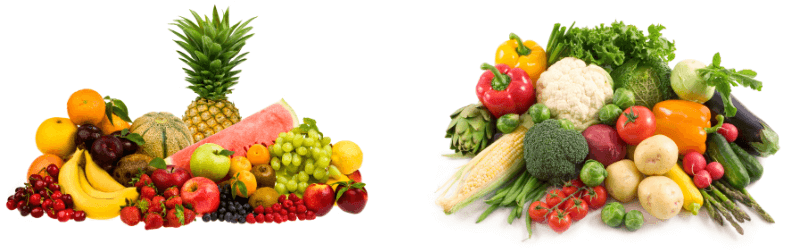
Different colours represent different phytonutrients, which is why eating a variety of colours matters. Here's what each colour provides:
Red: tomatoes, red peppers, watermelon, pink grapefruit
These contain lycopene from the carotenoids group. Lycopene may help protect against prostate and other cancers. Research has shown lower rates of prostate cancer in Mediterranean countries like Italy, partly attributed to the high consumption of tomato-based foods. Interestingly, lycopene is more available in cooked tomato products like pasta sauce and tomato soup than in raw tomatoes. One more reason to enjoy a good Napoletana sauce.
Red/purple: berries, cherries, grapes, beetroot, red cabbage, red wine
These contain anthocyanins from the flavonoids group. Powerful phytonutrients associated with cardiovascular health benefits.
Orange/yellow: carrots, sweet potato, pumpkin, mango, apricots, capsicum
These contain alpha and beta-carotenes from the carotenoids group. May help protect against certain cancers and heart disease, and may support immune function.
Yellow/green: avocado, corn, cucumber, spinach, zucchini, kiwifruit
These contain lutein and zeaxanthin, the most effective carotenoids for eye health. Associated with lower incidences of cataracts and macular degeneration.
Green: broccoli, kale, Brussels sprouts, cabbage, cauliflower, watercress
These contain sulphur compounds, which have been shown to have cancer-fighting properties. Some of the most important vegetables you can eat.
White/green: garlic, onions, leeks, mushrooms, asparagus, artichokes
This group also contains sulphur compounds and flavonoids. Garlic in particular is one of the most studied health-promoting foods in the world.
I recommend looking at this Fruits and vegetables infographic from Precision Nutrition. It’s a great visual guide to how much of each phytonutrient you need.
Health should feel like your best life, not a break from it.
Marco ☕
About Me

I'm Marco Asnicar, personal trainer, nutrition coach and founder of Vitality Marco. I didn't discover the Mediterranean method. I grew up living it, shaped by Italian roots, real food and movement as a natural part of daily life. It took me until recently to realise that what always felt completely normal to me is exactly what most people spend years searching for.
I coach men and women aged 35 to 55 to do the same. No restriction. No fads. No giving up the life you love. Just a way of eating and living that genuinely feels good and gets better every year.
Want to know more about my story and approach? Read my full About Me page.