How to Get a Six Pack
What It Actually Takes and What Nobody Tells You
The most frequently asked questions I receive about how to get a six pack are always a version of the same thing:
- Which ab exercises are the most effective?
- How often do I need to train my abs to see results?
- I've been working on my abs for months but they're still not visible. What am I doing wrong?
- I do an hour of cardio five days a week and my abs still aren't showing. Should I do more?
- Is it possible to get a six pack at my age?
The honest answer to most of these questions is the same: the problem is almost never about which ab exercises you're doing or how often. Let me explain what's actually going on.
Why getting a six pack is genuinely difficult
Body fat percentage is the primary factor
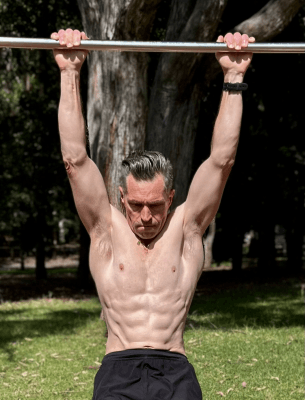
Your abdominal muscles are already there. Everyone has them. The reason they're not visible is that they're covered by a layer of fat. To have visible abs, you need to reduce your overall body fat percentage low enough that the muscles underneath can be seen. For most men that means getting to around 10 to 12 percent body fat. For most women, around 16 to 19 percent. That requires a sustained calorie deficit combined with consistent training over an extended period.
Genetics play a significant role
Some people naturally store more fat in the abdominal area. This doesn't mean a six pack is impossible, but it does mean it requires more work for some people than others. The number of abs visible, their shape and their symmetry are all largely determined by genetics.
It takes time and consistency
Building visible abs requires a combination of reducing body fat through diet and cardio, and developing the underlying muscle through training. Both take time. There are no shortcuts. I developed my abs primarily through compound exercises like pull-ups, push-ups and squats rather than endless crunches.
Lifestyle factors matter enormously
Stress, poor sleep and poor dietary choices all elevate cortisol, which drives fat storage in the abdominal area. You can't out-train a bad lifestyle when it comes to visible abs.
The essential steps to getting a six pack
1. Eat a balanced diet in a calorie deficit
The saying abs are made in the kitchen is a cliche precisely because it's partly true. Consume a well-balanced diet rich in lean proteins, whole grains, fruits, vegetables and healthy fats. Avoid or limit processed foods, sugary snacks and excessive alcohol. Create a moderate calorie deficit of 300 to 500 calories per day.
When I want to get to a low body fat, I use volume eating to stay satiated without exceeding my calorie target.
2. Stay hydrated
Drink plenty of water throughout the day to support your metabolism, aid digestion and maintain energy for training.
3. Build full-body strength
Focus on compound movements that build total body muscle and increase your resting metabolic rate. Pull-ups, dips, deadlifts, squats and push-ups. I developed my abdominal muscles primarily through compound exercises. Pull-ups alone have contributed enormously to my abs due to the consistent core activation required throughout the movement.
4. Train your abs directly
While compound exercises engage your core, targeted ab work adds definition. Crunches, leg raises and rotation exercises are effective. Aim for variety that targets different areas of the core. But remember: you can have the strongest abs in the room and still not see them if they're covered in fat.
5. Include daily cardio
When I want to get to a low body fat, I include 30 to 60 minutes of brisk walking daily alongside my resistance training. Walking is sustainable, joint-friendly and uses body fat as its primary fuel source.
6. Add HIIT as your fitness improves
Once your fitness base is solid, add HIIT once or twice a week. It burns more calories in less time and is genuinely effective for fat loss. Just don’t overdo it. High-intensity exercise can increase the appetite and demands proper recovery. More is not always better here.
7. Sleep 7 to 9 hours per night
Sleep is when your body recovers, repairs muscle and regulates the hormones that control appetite and fat storage. Consistently poor sleep makes getting lean significantly harder.
8. Manage stress
High cortisol from chronic stress drives fat storage in the abdomen specifically. Stress management is not optional if visible abs are your goal.
9. Be patient
Building visible abs takes months, sometimes years, of consistent effort. Results won't be immediate. The people who achieve them are the ones who stay consistent long after most people have given up.
Having visible abs is a personal aesthetic goal and it's important to keep it in perspective. Everyone's body is different. Set realistic expectations and focus on overall health and fitness rather than solely on aesthetics. A lean, strong, healthy body is achievable at any age. Visible abs are one possible outcome of that process, not the measure of success.
Health should feel like your best life, not a break from it.
Marco ☕
About Me

I'm Marco Asnicar, personal trainer, nutrition coach and founder of Vitality Marco. I didn't discover the Mediterranean method. I grew up living it, shaped by Italian roots, real food and movement as a natural part of daily life. It took me until recently to realise that what always felt completely normal to me is exactly what most people spend years searching for.
I coach men and women aged 35 to 55 to do the same. No restriction. No fads. No giving up the life you love. Just a way of eating and living that genuinely feels good and gets better every year.
Want to know more about my story and approach? Read my full About Me page.