Dietary Fat: What I Actually Eat and Why the Source Matters
It's not about eating more fat or less fat. It's about getting enough from the right sources.
Dietary fat is an essential macronutrient. Your body needs it for hormone production, cell function, brain health, and to absorb fat-soluble vitamins. The question isn't whether to eat fat. It's how much and from which sources.
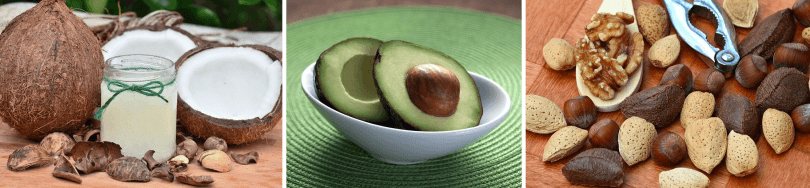
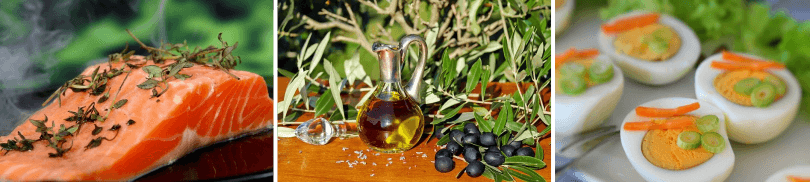
I eat a low-fat Mediterranean-style diet and have done for most of my adult life. Most of my fat comes from plant sources like olive oil, avocados, nuts, and seeds, with some from fish and eggs. I don't think we need as much fat as a lot of current nutrition advice suggests. But I do think getting enough from good whole food sources, particularly plant sources, matters a great deal.
What I'd steer clear of has nothing to do with fat being inherently bad. It's the processed, artificial fats found in packaged and fried foods that cause real problems. Here's how I think about dietary fat and why the source matters more than the quantity.
What dietary fat does for your body
Dietary fat serves a remarkable number of critical functions:
- Provides energy
- Helps make and balance hormones
- Forms cell membranes throughout your entire body
- Builds and supports your brain and nervous system
- Transports fat-soluble vitamins A, D, E, and K
- Provides two essential fatty acids your body cannot make: omega-6 and omega-3
- Keeps you feeling full and satisfied between meals
That's a lot of jobs. Getting enough fat from good sources is important. But more isn't always better.
Types of healthy dietary fat
There are three types of healthy dietary fat: saturated, monounsaturated, and polyunsaturated. If your diet consists of a variety of unprocessed whole foods, you'll naturally get a balanced mix of all three.
Saturated fats
Most saturated fats come from animal sources such as red meat, eggs, dairy, and poultry. They're also found in some plant foods like coconut and cacao. I don't eat red meat myself, but I do include eggs, dairy, and poultry in my diet in moderate amounts. Saturated fat from whole food sources isn't something I'd call harmful in moderation. But I don't think we need large amounts of it either, and a diet high in saturated fat, particularly from red meat and processed meats, is something I'd be cautious about. Getting the majority of your fat from plant sources like olive oil, avocado, nuts, and seeds is where I'd focus.
Monounsaturated fats
These are found in foods like olive oil, avocados, almonds, cashews, macadamia nuts, hazelnuts, and pistachios. Monounsaturated fats are widely recognised as beneficial for cardiovascular health. Olive oil is the foundation of my cooking and has been the backbone of the Mediterranean diet for thousands of years.
Polyunsaturated fats: omega-3 and omega-6
Polyunsaturated fats include omega-3 and omega-6 fatty acids, and we need both. They're found in chia seeds, flaxseeds, hemp seeds, walnuts, fish, fish oil, and some plant oils. The key issue is the ratio. Our modern diet has dramatically increased omega-6 consumption relative to omega-3, largely because omega-6 fats are abundant in processed and packaged foods. This imbalance is associated with increased inflammation and greater risk of cardiovascular disease and certain cancers.
Omega-3 fats, by contrast, are powerfully anti-inflammatory. Research shows omega-3 fats can lower inflammation, support cardiovascular health, dilate blood vessels, and help prevent blood clotting. Eating fatty fish regularly and considering an omega-3 supplement are both genuinely worthwhile.
Unhealthy dietary fat: What to genuinely avoid
Trans fats
Most trans fats are artificially produced to extend the shelf life of packaged foods. They're found in fast food, biscuits, crackers, margarine, and many vegetable oils like soybean and corn oil. Trans fats genuinely deserve to be avoided. They increase LDL cholesterol (the harmful type), lower HDL cholesterol (the protective type), and have been clearly linked to increased risk of heart disease. Check food labels and avoid anything listing 'partially hydrogenated' oils.
Tips for eating well with healthy dietary fat
Balance your fat sources
Eat a wide variety of unprocessed whole foods and you'll naturally get a good mix of all three healthy fat types. Include avocados, nuts, seeds, olive oil, eggs, and fatty fish in your regular rotation.
Cook with quality oils
I cook primarily with extra virgin olive oil. Avocado oil and coconut oil are good alternatives for higher-heat cooking. Avoid vegetable and seed oils like soybean, corn, and sunflower oil as your primary cooking fats.
Eat fatty fish regularly
Salmon, mackerel, sardines, tuna, and trout are rich in omega-3 fatty acids. I aim to eat oily fish at least twice a week. If that's not realistic for you, an omega-3 fish oil supplement is a sensible addition.
Include nuts and seeds daily
A small handful of nuts or seeds each day adds quality fat, protein, and fibre to your diet. I add seeds to my breakfast, snack on almonds or walnuts, and use nuts in cooking regularly.
Be mindful of portion sizes with higher-fat foods
Fat has more than double the calories per gram of protein or carbohydrates. That doesn't make it bad, but it does mean a little goes a long way. You don't need large amounts of olive oil or a huge portion of nuts to get the benefits.
Avoid processed and fried foods
These are where the genuinely harmful fats hide. Deep-fried food, packaged snacks, fast food, margarine. Limit these and you've removed the main source of dietary harm from fat in your life.
For more information on dietary fat, click to view these articles from Precision Nutrition:
Health should feel like your best life, not a break from it.
Marco ☕
About Me

I'm Marco Asnicar, personal trainer, nutrition coach and founder of Vitality Marco. I didn't discover the Mediterranean method. I grew up living it, shaped by Italian roots, real food and movement as a natural part of daily life. It took me until recently to realise that what always felt completely normal to me is exactly what most people spend years searching for.
I coach men and women aged 35 to 55 to do the same. No restriction. No fads. No giving up the life you love. Just a way of eating and living that genuinely feels good and gets better every year.
Want to know more about my story and approach? Read my full About Me page.