The Benefits of Fibre
I eat a high-fibre diet every day without thinking about it. Here’s why it matters and how to do the same.
Fibre is only found in plant foods. Technically it's a type of complex carbohydrate from the cell wall of plants, and because it can't be digested or absorbed into the bloodstream, it's not classified as a traditional nutrient. But don't let that mislead you about its importance. The benefits of fibre are extensive and well-documented.
Most people in Western countries eat far less fibre than they need. And given what fibre does for gut health, weight management, cholesterol, blood sugar, and long-term disease prevention, this is one of the most impactful nutritional gaps to address.
Key benefits of fibre
- Helps you feel fuller for longer, which naturally supports weight management
- Helps lower cholesterol, particularly the LDL (harmful) type
- Lowers the risk of chronic diseases including heart disease, type 2 diabetes, and certain cancers
- Keeps things moving efficiently through the gastrointestinal tract
- Supports and improves overall gut health and the microbiome
Types of fibre
There are two types of fibre: soluble and insoluble. Most plant foods contain both.
Soluble fibre
Soluble fibre dissolves in water, forming a gel-like substance in the gut. It binds to fatty substances like cholesterol and promotes their excretion, which is why a diet high in soluble fibre is associated with lower cholesterol levels.
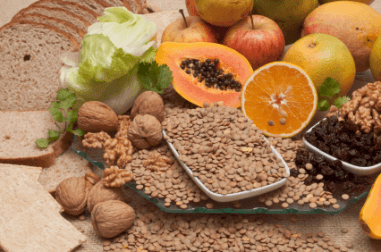
Good sources of soluble fibre include apples, bananas, oranges, blueberries, oats, dried beans, peas, nuts, barley, chia seeds, flaxseeds, tomatoes, carrots, and artichokes.
Insoluble fibre
Insoluble fibre, sometimes called roughage, doesn't dissolve in water. Instead, it retains water as it moves through the gastrointestinal tract, forming the bulk and softness of stool and promoting regularity. This helps prevent constipation and is associated with a lower risk of colon cancer.
Good sources of insoluble fibre include most fruits, dark leafy vegetables, root vegetables, nuts, and seeds.
How much fibre do you need?
Most health organisations recommend 25 to 35 grams of fibre per day for adults. The optimal amount for good health appears to be closer to 35 grams per day. Most people eating a typical Western diet get around 15 grams. There's a significant gap.
The best way to increase fibre intake is to do it gradually over a few weeks. A sudden large increase can cause bloating, gas, or digestive discomfort. Some people with inflammatory bowel disease (IBD) or colitis may also do better with a lower fibre intake than the general recommendation. As always, pay attention to how your body responds.
Practical tips for getting more fibre every day
Start the day with a high-fibre breakfast
Whole-grain cereals, muesli, cooked oats, or porridge are great options. Add fresh fruit on top. Or start with a fruit and vegetable smoothie. I usually start my day with something oat-based or a breakfast that includes fruit, seeds, and yoghurt.
Eat more vegetables
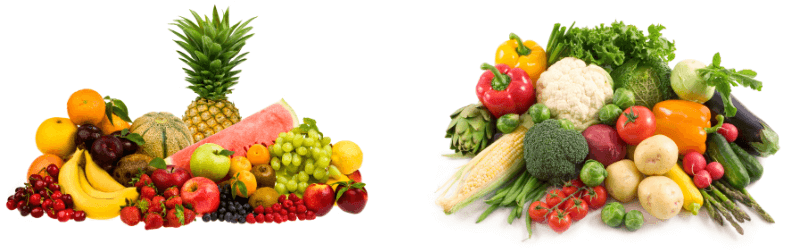
Aim for around five serves a day of dark green leafy and root vegetables: spinach, rocket, broccoli, cabbage, carrots, sweet potatoes, watercress. Raw or lightly cooked. The more variety, the better.
Eat fruit as a snack
Apples, bananas, pears, and berries between meals are simple, effective fibre boosts. I eat fruit every day, usually as a snack or after a meal.
Choose whole grains
Whole-grain bread, pasta, rice, and cereals over refined white versions. This one swap alone makes a significant difference to daily fibre intake over time.
Include legumes regularly
Beans, lentils, and chickpeas are among the richest fibre sources available, and they come with protein too. I eat legumes almost every day in pasta, soups, salads, or as a main.
One useful tip for beans specifically: proper soaking can significantly reduce the complex carbohydrates that cause digestive discomfort. Rinse the beans, place in a bowl with a 4-to-1 water-to-beans ratio, add about 1/4 to 1/2 teaspoon of baking soda depending on quantity, and soak for 12 to 24 hours at room temperature. Discard the soaking water before cooking. This makes beans much easier on the digestive system.
Eat berries
Berries are fibre-rich, packed with antioxidants, delicious, and relatively low in calories. They're one of the best foods you can eat. I have berries regularly, usually with yoghurt or in a smoothie.
Snack on dried fruit, nuts, and seeds
Almonds, walnuts, chia seeds, and flaxseeds are all high in fibre. Sprinkle them on yoghurt or oatmeal, add them to salads, or snack on them directly. Dried fruit and raw nuts are some of my regular snacks.
Leave the skin on
The skin of apples, pears, potatoes, and many other fruits and vegetables contains a significant amount of fibre. Leaving it on rather than peeling adds up meaningfully over the course of a day.
Use psyllium husk
Psyllium husk is the seed covering of the Plantago plant and one of the best sources of soluble fibre available. I use the dried husks. You can find them at most supermarkets in the health food section or at health food stores.
Start with half a tablespoon mixed into your breakfast cereal or a smoothie, three to four times a week, and adjust from there. Because psyllium husk absorbs a significant amount of water, always drink plenty of water alongside it.
For comparison: oat bran provides about 5 grams of fibre per 100 grams. Psyllium husks provide about 70 grams of fibre per 100 grams. It's an extremely efficient supplement if you struggle to hit your daily fibre target through food alone.
Drink plenty of water
Fibre absorbs water to do its job properly. Adequate hydration is essential for fibre to move smoothly through the digestive system and support regular bowel function.
Precision Nutrition: All about fiber.
Health should feel like your best life, not a break from it.
Marco ☕
About Me

I'm Marco Asnicar, personal trainer, nutrition coach and founder of Vitality Marco. I didn't discover the Mediterranean method. I grew up living it, shaped by Italian roots, real food and movement as a natural part of daily life. It took me until recently to realise that what always felt completely normal to me is exactly what most people spend years searching for.
I coach men and women aged 35 to 55 to do the same. No restriction. No fads. No giving up the life you love. Just a way of eating and living that genuinely feels good and gets better every year.
Want to know more about my story and approach? Read my full About Me page.