The Benefits of Drinking Water Daily
It’s the simplest habit you can build and the results are immediate. There’s no good reason not to get this right.
Water makes up around 60 per cent of your body weight and plays a role in almost every function your body performs. Yet it's the one thing most of us don't think much about. I drink a combination of purified still water and sparkling mineral water every day, and staying well hydrated is one of the simplest habits I've built over the years. Here's what water actually does for you and how to make sure you're getting enough of it.
What water does in your body
Water performs an enormous number of functions every minute of every day:
- Transports nutrients and oxygen through the body
- Removes waste products and toxins
- Acts as a lubricant for joints and organs
- Is vital for the entire digestive process
- Helps prevent constipation
- Keeps the skin moist and healthy
- Quenches thirst and reduces the urge to snack unnecessarily
- Regulates body temperature through perspiration
- Acts as a natural appetite suppressant
The best sources of water in your diet are fresh fruit, vegetables, and pure filtered water. And the best part? Water has zero calories.
How much water do you actually need?
The average person needs around two litres, or roughly eight glasses of 250ml, per day to replace what's lost through breathing, sweat, and excretion. But this varies. The more active you are, and the hotter and dryer the weather, the more water your body needs. A high-fibre diet also increases water requirements because fibre absorbs water in the digestive tract.
A practical calculation: for every kilogram of body weight, aim for 30 to 40 ml of water per day. For a 70 kg person, that's 2 to 2.5 litres daily.
Dehydration: The warning signs
It only takes a 2% loss of body water to produce noticeable symptoms of dehydration. These include:
- Fatigue
- Headaches
- Dizziness or faintness
- Nausea
- Low blood pressure
- Flushing
- Rapid heart rate
If fluid loss continues without being replenished, these symptoms worsen. In extreme cases, dehydration can be fatal.
Your hydration indicator
The colour of your urine is your best real-time indicator of hydration. Colourless or slightly yellow urine means you're well hydrated. Dark yellow urine is a sign you need more water. It's a simple, free monitoring tool that anyone can use.
Hyponatremia: Too much water
This is the opposite problem: drinking too much water relative to your sodium intake. It can cause gastrointestinal discomfort, nausea, headaches, and swollen hands and feet. Some of these symptoms mirror dehydration, which is why more water isn't always the answer.
One thing I do, especially on hot dry days, is add a small pinch of pink Himalayan rock salt or sea salt to my water bottle. This helps maintain a healthy sodium balance and actually makes the water taste a little better.
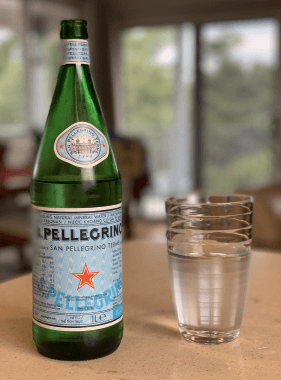
My own relationship with water
As a kid, all I drank was water straight from the tap. Then in my early teens, soft drinks started getting heavily advertised on TV in the 80s. For a while, sodas and flavoured milk became the norm. Then in my late teens, playing sports, I noticed the more sports drinks and soft drinks I drank, the thirstier I became. So I went back to water and have never looked back.
These days I drink a combination of purified still water and sparkling mineral water. Water is the only drink that genuinely quenches my thirst. I don't think about it much because it's just a habit. And that's exactly where you want to get to with hydration.
Practical tips for staying well hydrated
Carry a water bottle
Having a bottle with you is the simplest reminder to drink throughout the day. Fill it up at the start of each day and make it your goal to finish it.
Drink a glass of water before each meal
This is one of my regular habits. It supports hydration, aids digestion, and helps with appetite control without any extra effort.
Add flavour if you need it
A squeeze of lemon, lime, orange, or mandarin changes the taste of water entirely without adding anything harmful. Herbal teas are another great option for anyone who finds plain water boring.
Eat water-rich foods
Many fruits and vegetables have very high water content: watermelon, cucumbers, oranges, strawberries, celery. Including these in your diet contributes meaningfully to your daily fluid intake.
Pair caffeine and alcohol with water
Caffeine and alcohol both have a diuretic effect, increasing urine production and potentially leading to dehydration. Make a habit of drinking a glass of water alongside any caffeinated or alcoholic beverage.
Listen to your body
Thirst is a signal, not a failure. If you feel thirsty, drink. If you're active, sweating, or in hot weather, increase your intake proactively rather than waiting until you're thirsty. By the time thirst kicks in strongly, you're already behind.
For more information on the benefits of drinking water daily, click to view these articles from Precision Nutrition:
Research review: Water and weight loss
Health should feel like your best life, not a break from it.
Marco ☕
About Me

I'm Marco Asnicar, personal trainer, nutrition coach and founder of Vitality Marco. I didn't discover the Mediterranean method. I grew up living it, shaped by Italian roots, real food and movement as a natural part of daily life. It took me until recently to realise that what always felt completely normal to me is exactly what most people spend years searching for.
I coach men and women aged 35 to 55 to do the same. No restriction. No fads. No giving up the life you love. Just a way of eating and living that genuinely feels good and gets better every year.
Want to know more about my story and approach? Read my full About Me page.